Press
Education and Health: A Dual Approach to Empowering India’s Youth
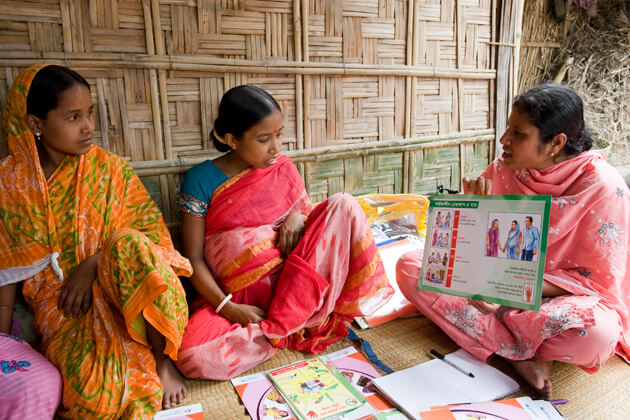
Children need to be in good health to learn, play, and grow. Their physical and mental well-being directly shapes how they engage in the classroom, build relationships, and explore new opportunities. Ensuring that school-aged children have access to proper nutrition, preventive care, and timely medical support is therefore not only about protecting their immediate well-being—it is also an investment in their future potential and their ability to lead productive, fulfilling lives.
The Health-Education Connection
Globally, research shows that healthier children are more likely to succeed in school. According to UNICEF, children who suffer from malnutrition are 19% less likely to be able to read by age eight. In India, where 65% of healthcare costs are paid out-of-pocket, families are often forced to choose between medical care and basic necessities like school fees, books, or uniforms. This difficult trade-off can create a cycle of disadvantage—children miss classes due to illness, fall behind academically, and risk dropping out altogether.
The World Bank estimates that every additional year of schooling increases an individual’s earnings by 10%. But to reap these benefits, children must be able to remain healthy enough to attend school consistently. This is where integrated approaches—supporting both health and education—are critical.
Challenges and Opportunities in India
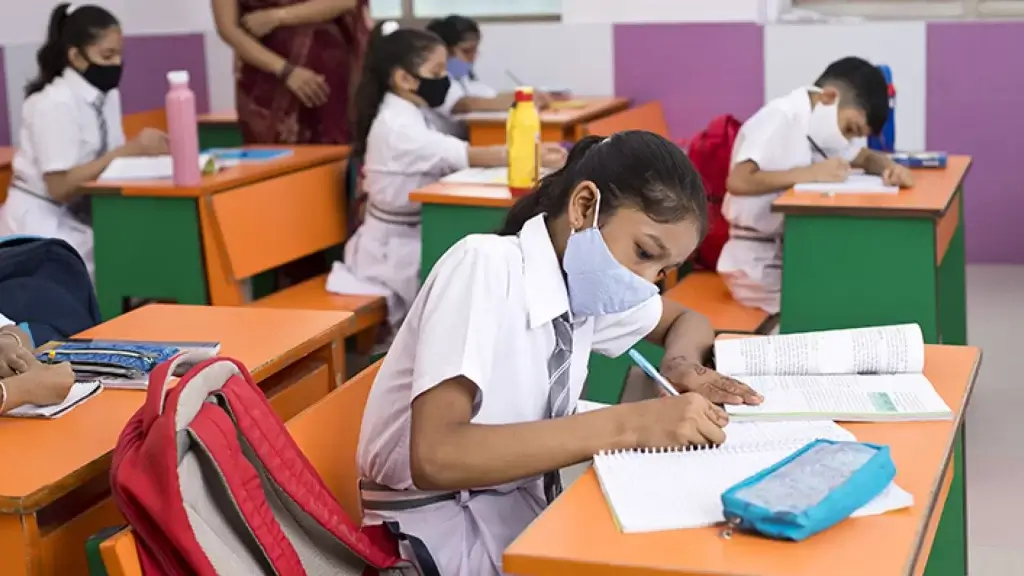
India is home to one of the world’s largest youth populations, with over 250 million school-aged children. Over the past few decades, India has made significant advances to improve the health of children, like increased access to immunization through Mission Indradhanush and midday school meal programs. Yet, challenges persist:
- Lack of Adequate Nutrition: According to the Ministry of Health and Family Welfare, nearly 47% of Indian children suffer from some form of malnutrition, directly affecting their cognitive development and academic performance.
- School Attendance: Illness is a leading cause of absenteeism, disproportionately impacting children from low-income households.
- Gender Disparities: Girls often face additional hurdles, with inadequate menstrual health resources and social pressures to help out in the household, contributing to higher dropout rates during adolescence
For many students, a sudden health crisis—whether their own or a family member’s—can mean the difference between continuing their studies and being forced to leave school to support household responsibilities.
The Soondra Foundation’s Dual Approach
The Soondra Foundation recognizes that empowering youth requires addressing both health and education. By providing direct cash assistance to families facing urgent medical expenses, we prevent financial catastrophes that would otherwise force children to abandon their education. In doing so, we help break the chain reaction that too often links illness to interrupted learning.
Beyond direct healthcare access, we have forged partnerships with organizations like Teach for India, amplifying the impact of our work. These collaborations ensure that children not only stay in school but are supported holistically—academically, physically, and emotionally. Through shared initiatives, students receive the educational continuity they deserve while also benefiting from improved health outcomes.
Building a Stronger Future Together
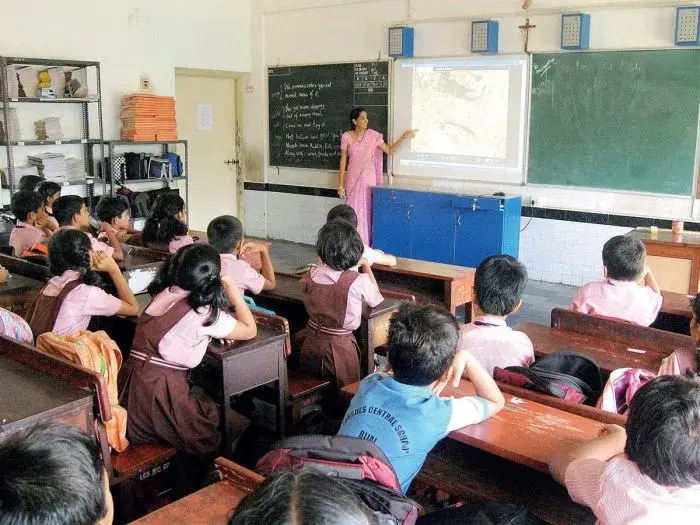
Education and health are not separate silos—they are deeply interconnected pillars of human development. By addressing them together, organizations like The Soondra Foundation and our partners are laying the foundation for long-term change. A healthy child is more likely to stay in school. An educated child is more likely to secure stable employment, support their family, and contribute to a healthier society.
Every dollar directed toward this dual approach—ensuring health security while supporting learning—creates ripples that extend far beyond the individual student. It strengthens families, uplifts communities, and builds resilience across generations.
India’s youth represent not only the country’s present but its future. By safeguarding their health and nurturing their education, we invest in a stronger, more equitable tomorrow.