Press
Mental Healthcare in India: Barriers, Legal Rights, and Solutions
Understanding Mental Health Challenges in India
Mental health remains one of the most pressing yet overlooked healthcare challenges in the world. The World Health Organization (WHO) estimates that 450 million people globally suffer from mental disorders, with a staggering 80% residing in low- and middle-income countries. In India, in 2017 alone, nearly 197.3 million people faced mental health challenges. Despite the growing need for support, mental illness continues to be shrouded in stigma, leading to inadequate access to care, underreporting, and neglect of those in need. The Indian government has taken steps to improve mental healthcare, yet significant gaps remain in awareness, infrastructure, and resources.
The Mental Healthcare Act of 2017: A Step Toward Progress
Recognizing the need for reform, India introduced the Mental Healthcare Act (MHCA) in 2017, which came into effect on May 29, 2018. This landmark legislation aligns with the United Nations Convention on the Rights of Persons with Disabilities and legally guarantees access to mental healthcare for over 1.3 billion people. The Act establishes the right to affordable, quality, and non-discriminatory mental health services while introducing a more inclusive definition of mental illness that separates it from intellectual disabilities. It also protects individuals from cruel or inhumane treatment, ensuring dignity, privacy, and confidentiality. Most notably, it mandates equal treatment for mental and physical illnesses, an essential step in eliminating long-standing disparities in healthcare.
Barriers to Mental Healthcare in India
Despite legal protections, several barriers continue to hinder mental health treatment in India. One of the most significant challenges is the severe shortage of mental health professionals—there are only 0.75 psychiatrists per 100,000 people, far below the WHO recommendation of at least 3 per 100,000. Additionally, the country faces a lack of mental health infrastructure, especially in rural areas, where nearly 70% of the population resides. Cultural stigma further prevents individuals from seeking care, as mental illness is often associated with supernatural beliefs, weakness, or shame. As a result, many people suffer in silence, worsening their conditions over time.
The Need for Awareness and Community Support
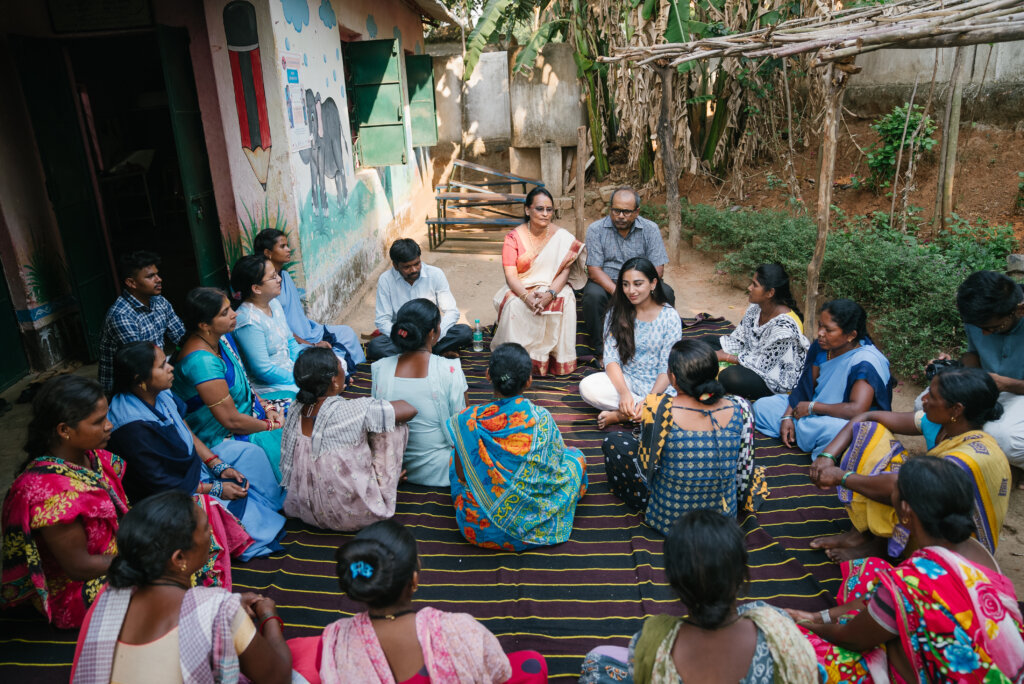
Prioritizing awareness campaigns and community based interventions will be major steps to improve mental health outcomes. Education is crucial in dispelling myths and encouraging open conversations about mental health. Schools, workplaces, and local organizations can play a vital role in promoting emotional well-being and providing early interventions. Telemedicine and digital mental health platforms also offer promising solutions, allowing individuals to access professional help regardless of their location. Additionally, families and communities working together will create a supportive environment that encourages individuals to seek care without fear of discrimination or judgment.
Moving Toward a Healthier Future
While the Mental Healthcare Act of 2017 is a significant step forward, continuing to strengthen its mental health system will provide improved health outcomes. Increased investment in mental health services, better training for healthcare professionals, and expanded access to affordable treatment are essential to bridging the current gaps. Moreover, integrating mental health into primary healthcare can help normalize seeking psychological support. As conversations around mental health gain traction, a collective effort from policymakers, healthcare providers, and society at large is necessary to ensure that every individual in India receives the care and support they deserve.
The Soondra Foundation is committed to addressing mental health issues along with other health access problems. We are launching a pilot for 2500 students in Q3 2025 to assess the need in communities in Mumbai and Begluru. We are looking forward to sharing our results with you soon!