Press
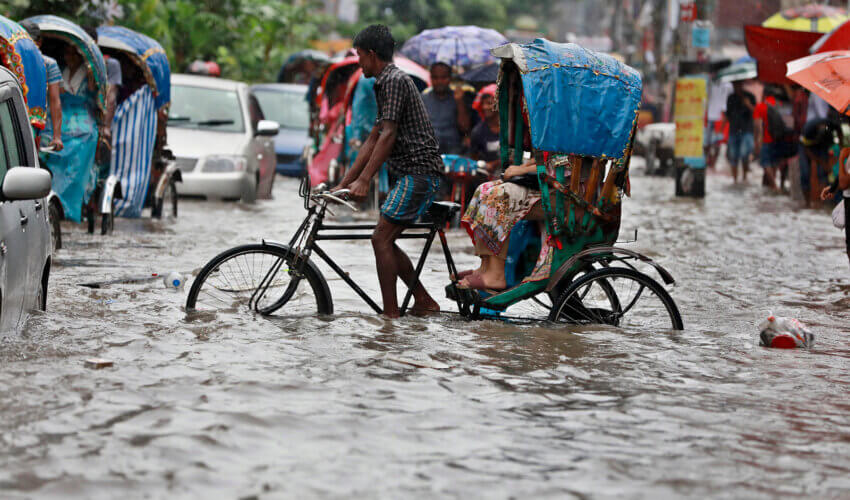
From Heatwaves to Disease Spread: How Climate Change Is Impacting Public Health
As global temperatures continue to rise, the impacts of climate change are becoming increasingly evident—not only in environmental terms, but also through significant and growing public health challenges. In 2023, India experienced its highest recorded temperature—approximately 126°F—and endured an extended period of heatwaves, as noted by Science Insider journalist Vaishnavi Chandrashekhar. These events underscore a broader shift in climate patterns that warrant sustained attention and coordinated response.
Rising Temperatures and Public Health
Extreme heat poses clear and well-documented risks to human health. Prolonged exposure to high temperatures can result in heat-related illnesses, including heatstroke, dehydration, and heat exhaustion. According to the Indian Meteorological Department, heatwaves in 2023 contributed to the loss of hundreds of lives and led to the hospitalization of thousands. These outcomes highlight the importance of strengthening public health infrastructure and community preparedness, particularly in urban areas and rural communities where access to cooling technologies and medical services may be limited.
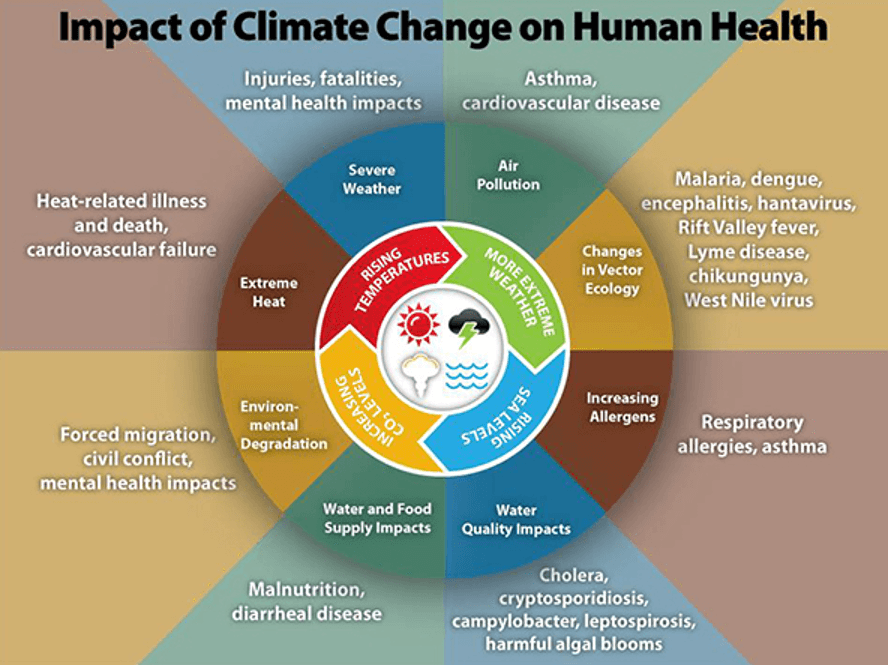
Furthermore, climate change has implications that extend beyond heat-related illnesses. Warmer temperatures are contributing to the expansion of vector-borne diseases, as conditions become more favorable for mosquitoes and other carriers of diseases such as dengue fever, chikungunya, and malaria. A study published in The Lancet reports a 20% increase in climate suitability for dengue transmission in South Asia over the past decade, underscoring the need for integrated surveillance and disease prevention strategies.
Protecting Vulnerable Populations
Certain populations—including children, older adults, and individuals with pre-existing health conditions—are particularly vulnerable to the health impacts of extreme heat. For example, children face increased risks of dehydration and malnutrition as high temperatures affect water availability and food production. According to the World Health Organization, climate change may contribute to an estimated 250,000 additional deaths annually between 2030 and 2050 due to conditions such as malnutrition, malaria, diarrhea, and heat stress. These projections emphasize the importance of incorporating climate resilience into long-term health planning and social protection programs.
The Urban Dimension
Urban areas face compounded challenges due to the “urban heat island effect,” where concrete and asphalt surfaces absorb and retain heat, exacerbating temperature extremes. Neighborhoods with limited access to green spaces, reliable electricity, and adequate housing are particularly at risk. Addressing these disparities through inclusive urban planning and equitable infrastructure investment can help mitigate health risks and enhance climate resilience across communities.
How The Soondra Foundation Is Responding
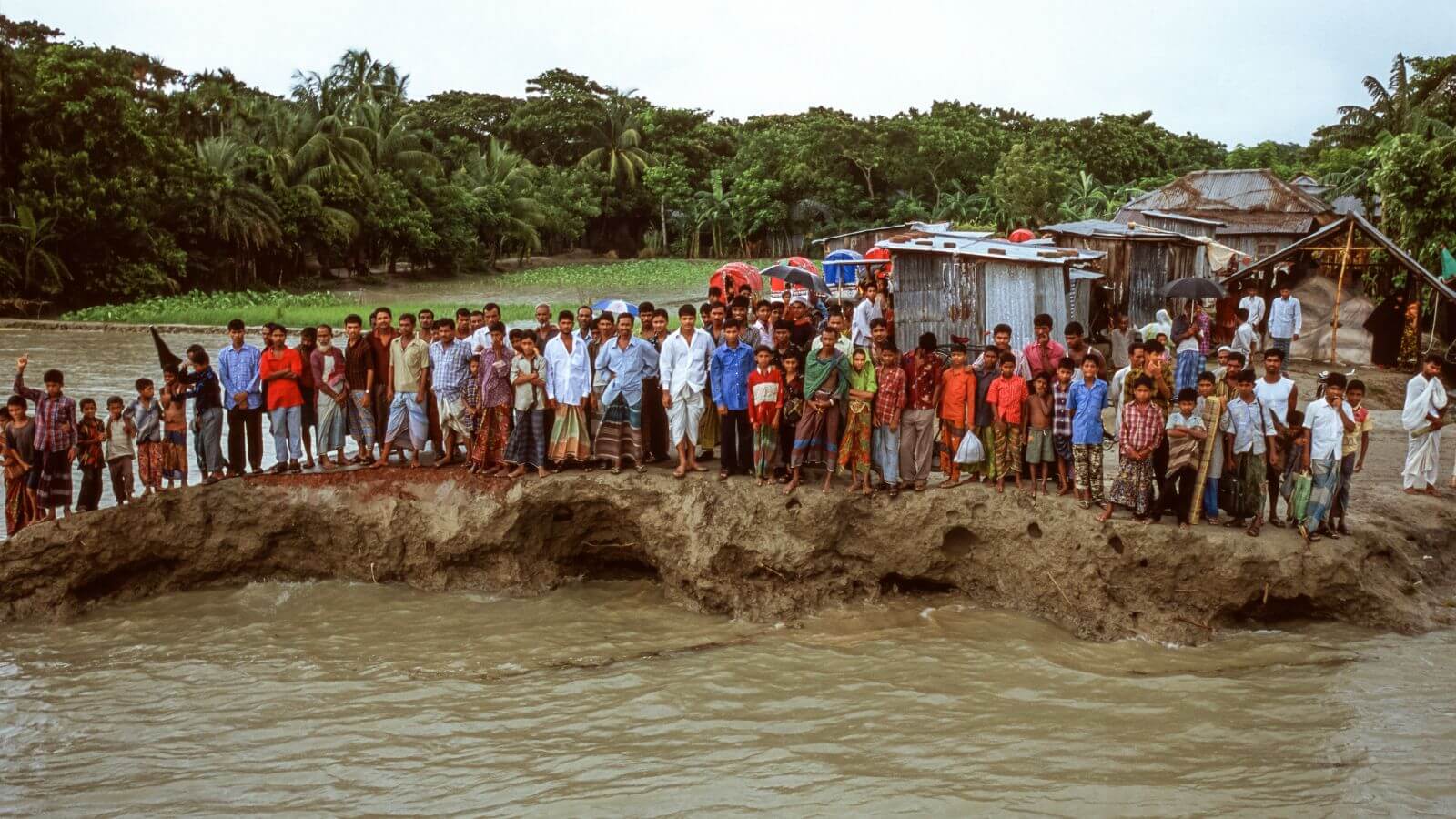
At The Soondra Foundation, we recognize that health impacts of extreme heat and climate change are becoming increasingly difficult to ignore. From heat-related illnesses to the growing reach of climate sensitive infectious diseases, the evidence points to a pressing need for adaptive public health measures and community-based solutions. The Soondra Foundation’s response is grounded in collaboration with our partners for education and long-term planning. By recognizing the interconnectedness of climate and health, we have an opportunity to support more resilient systems to protect the most vulnerable and promote well-being.